Dark spots and melasma: why they come back, and how to actually treat them
A dark spot that fades then returns is rarely an ineffective product. It is almost always a cause that was never addressed.
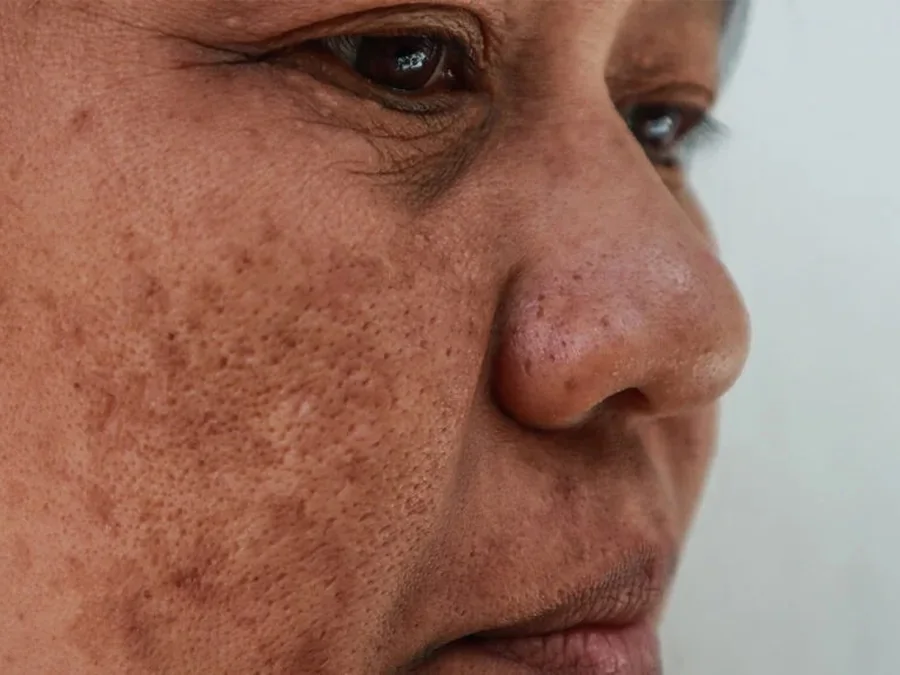
On darker skin, pigmentation is the first concern in consultation — well before wrinkles. It is also the reason we see so much damaged skin: because in trying to lighten fast, the skin is attacked, and it responds by producing more melanin.
Three different things that get confused
- Post-inflammatory hyperpigmentation. It appears after inflammation: a pimple, an insect bite, an irritation, too harsh an exfoliation. It is localised, it follows the lesion, and it goes when the cause goes.
- Melasma. Symmetrical patches on the cheeks, forehead, upper lip. It is hormonal and triggered by UV. The hardest one: it does not cure, it is controlled, and it returns with every unprotected exposure.
- Cumulative sun damage. Not visible at first. This is exactly what Wood's UV reveals: a mesh beneath the surface, while the skin looks even.
Why they come back
Because the consequence is treated, not the cause. Lightening a spot with a strong active, without treating the inflammation, without sun protection and without stopping the gesture that created the spot, is repainting a leaking wall. The spot fades, then repigments — often darker, because the active was irritating.
The rule is simple and unglamorous: protect first, lighten second, never the other way round.
What actually works
- Stopping the irritating gesture. Friction, mechanical scrubs, "lightening" products with unclear composition, unprotected exposure.
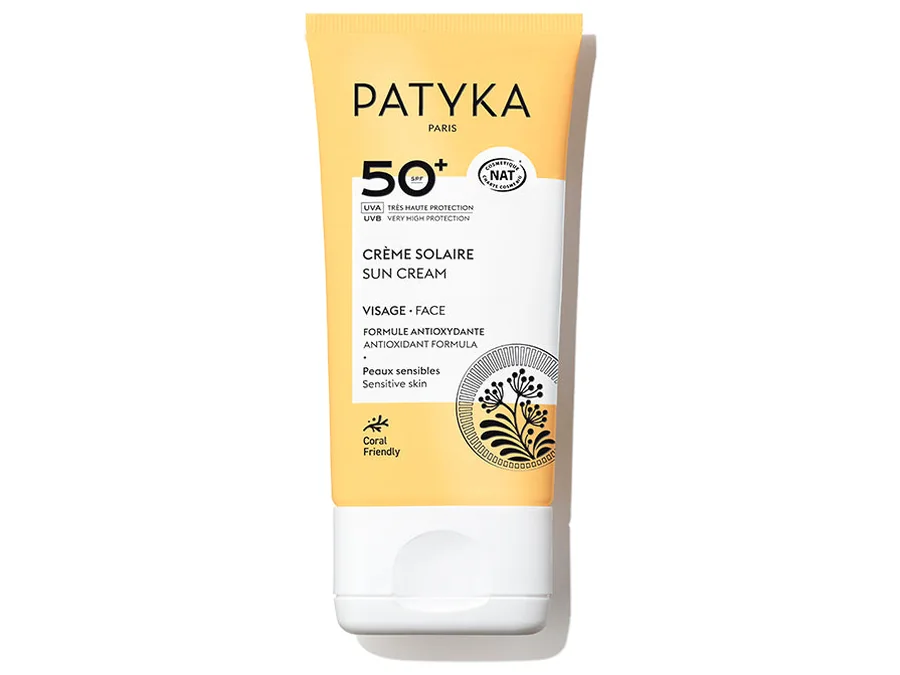
- Serious daily sun protection. Not only in the sun: in the car, under cloud, through a window. It is the only gesture that prevents relapse.
- Actives with evidence behind them — niacinamide, azelaic acid, tranexamic acid, cysteamine, vitamin C. No improvised dosing, no aggressive mixing.
- Patience. A spot takes months to form, it takes months to leave. A protocol is judged at three months, not three weeks.
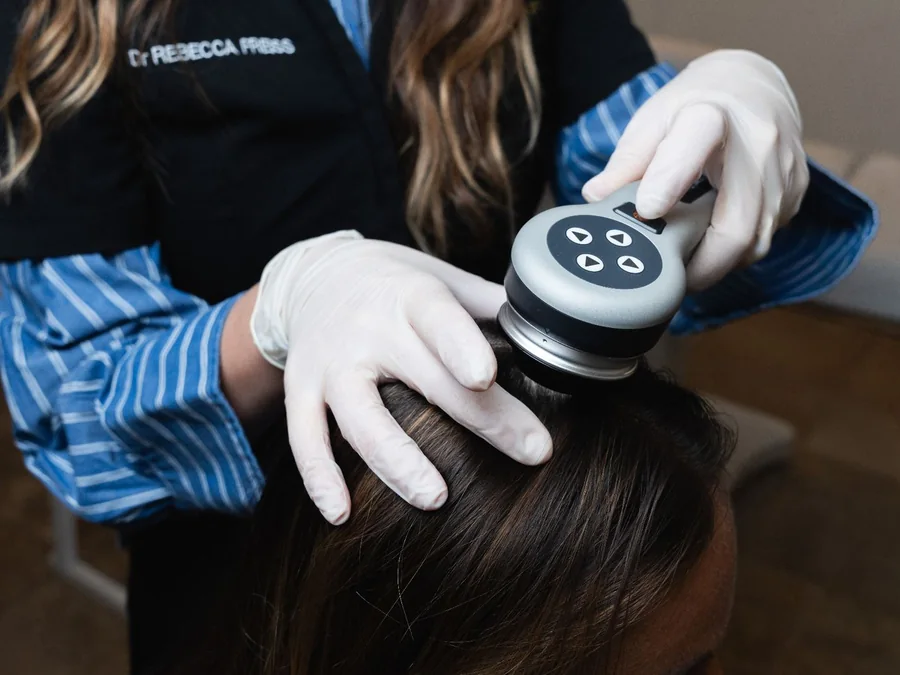
- Photographic follow-up. Without images you cannot know whether you are progressing. With the scan, you compare.
And uncontrolled "lightening" products?
Some contain steroids or hydroquinone at uncontrolled doses. The skin lightens fast, then becomes thin, red, fragile, and covered with spots deeper than before. This is a major cause of serious dermatological consultations. If the composition cannot be read, walk away.
- Three distinct causes: post-inflammation, melasma, cumulative sun
- Protect before lightening — never the reverse
- A protocol is judged at three months, not three weeks
- Products with unreadable composition: avoid entirely